Welcome to this space where clinical neurology, research, and the humanities meet.
My name is Rodolfo Roman, Internist and Clinical Neurologist, currently completing a Clinical Fellowship in Cognitive & Movement Disorders at Sunnybrook Health Sciences Centre, affiliated with the University of Toronto.
This blog was born from a personal conviction: science gains meaning only when it is shared.
Here you will find critical summaries of clinical studies, narrative reviews in clinical neurology, and reflections where neuroscience engages with literature, philosophy, and art.
My goal is to build a rigorous, accessible, and human-centered academic space. This space was created to learn together, to foster dialogue, and to build a bridge between scientific knowledge and the lived experiences of patients, families, and healthcare professionals. Thank you for being here. I invite you to read, question, and join the conversation.
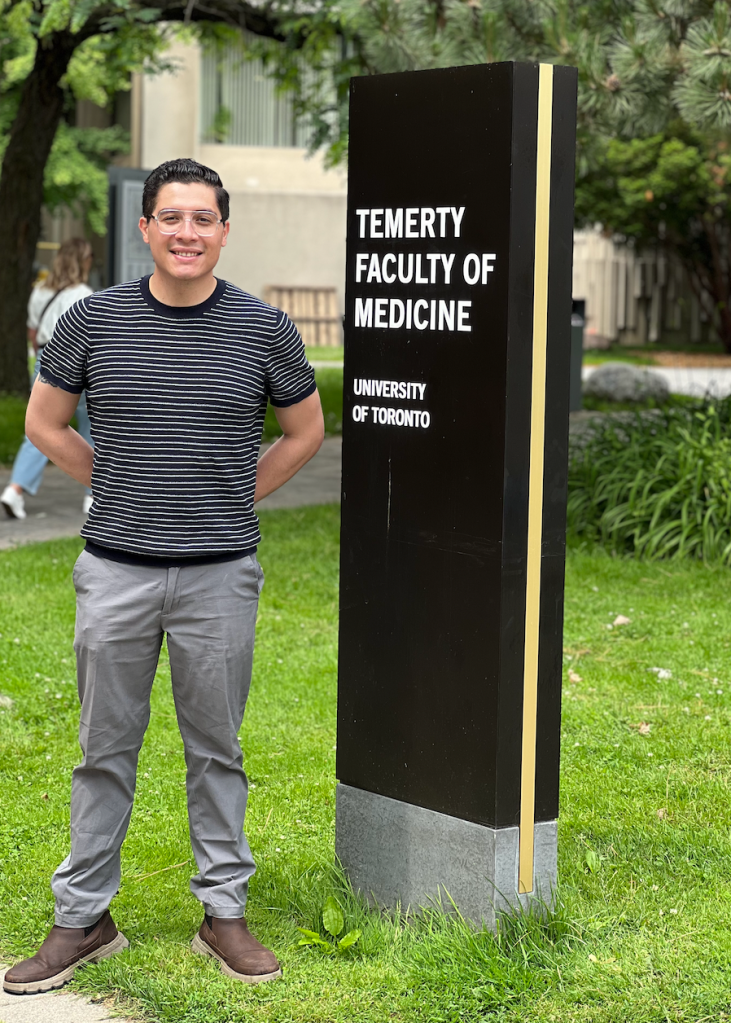
My Roots
I come from Uriangato, Guanajuato, Mexico, a small city in the south of the state that holds a unique cultural richness. Uriangato is the result of a deep fusion between Purépecha heritage and Hispanic influence, a blend reflected in its religious traditions and its strong sense of community.
I grew up surrounded by celebrations that shape my hometown’s identity, such as the festivity in honor of Saint Michael the Archangel and the traditional Octava Noche, when the streets are illuminated by multicolored carpets crafted by local artisans—expressions of devotion, artistry, and collective memory. These traditions, which intertwine faith, aesthetics, and community, taught me the value of shared creativity and the importance of keeping our roots alive.
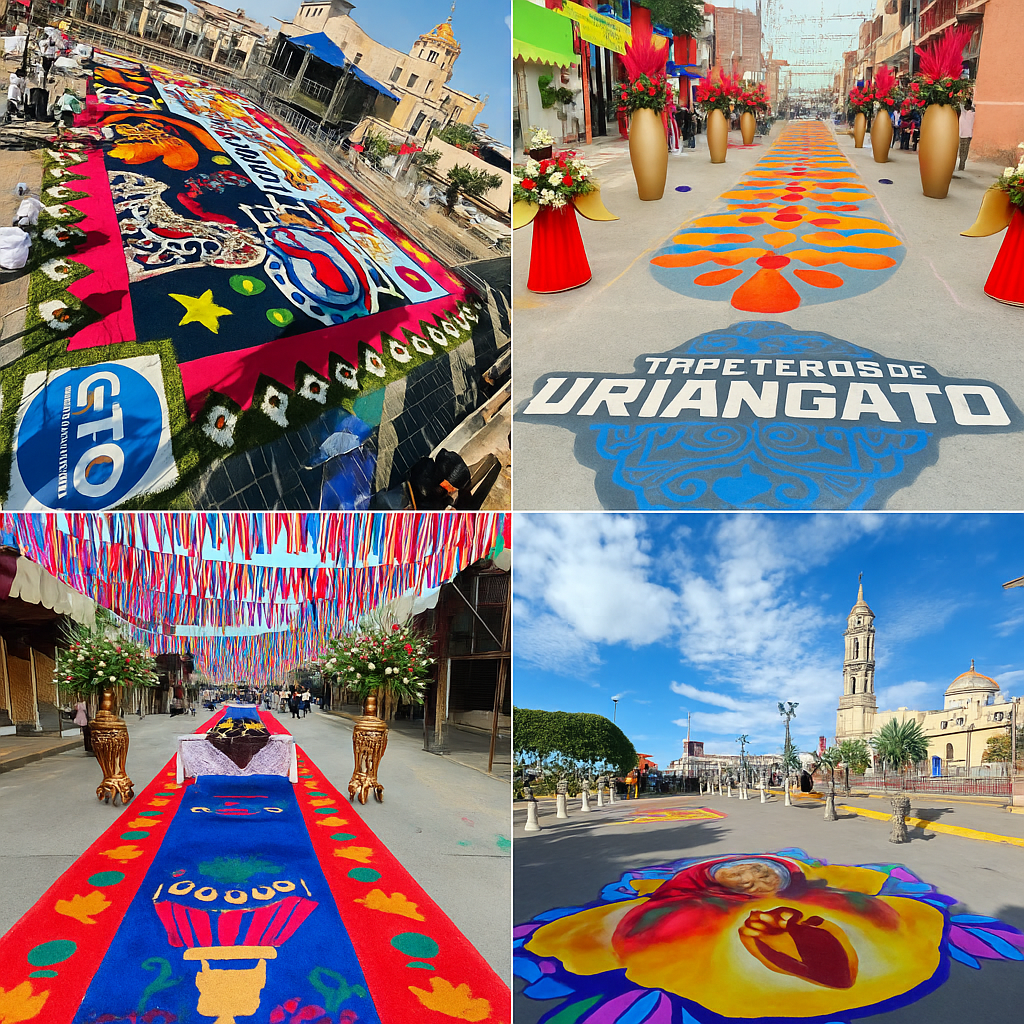
The art of sawdust and flower carpets from Uriangato has crossed borders: in 2016, Uriangato took part in the Brussels Flower Carpet, bringing to Europe the color, creativity, and spirituality of its people. This event symbolizes how a local tradition can evolve into a cultural legacy with international resonance.

Since then, the Octava Noche festival has become an international event in which artisans from different countries come together, sharing their cultures and creating new bonds and memories over several days of collaborative work.
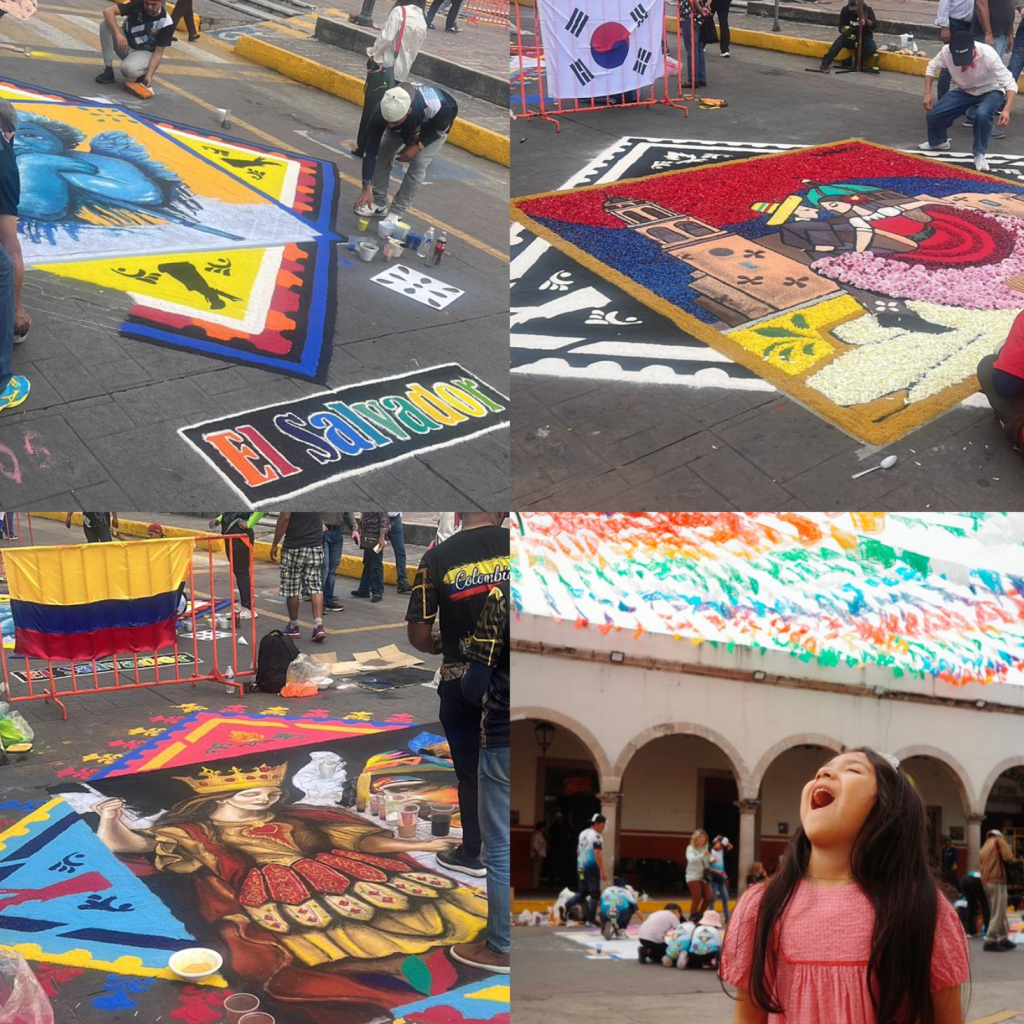
To speak of Uriangato is to speak of a community that unites through collective effort, where each person contributes on keeping tradition alive year after year. It is also a reminder that my professional training and my vocation as a physician are nourished by these same values: collaboration, humility, and a deep commitment to the community.
My Path in Medicine
I completed my medical training at the Tecnológico de Monterrey (ITESM) in Monterrey, Mexico, followed by a residency in Internal Medicine within the Tec Salud multicenter program in the same city.
I later pursued a residency in Neurology at the Universidad Autónoma de San Luis Potosí, Mexico.
Throughout this journey, I have worked in both public and private hospitals, always with a focus on comprehensive care, empathy, and a family-centered approach.
Areas of Interest
My main areas of interest include:
- Neurodegenerative diseases, such as Parkinson’s Disease, Alzheimer’s Disease and other dementias.
- Pain and headache disorders.
- Epilepsy and neuropsychiatry, exploring how neurological illness affects cognition and quality of life.
- Neuroscience and the humanities, seeking to build bridges between science, literature, philosophy, and art.
Research and Publications
I have had the opportunity to participate in research projects and present at national and international conferences, with publications in indexed journals on headaches, epilepsy, neurodegenerative diseases, and telemedicine. You can explore my work here:
A Personal View
Beyond academic milestones, I see myself as a physician who learns best by sharing.
I deeply value humility, friendship, and teamwork, principles that guide my clinical practice and personal life.
This blog emerges as a space to share, reflect, and grow alongside other professionals, students, and anyone interested in neurology and the neurosciences.
 Roman-Guzman MD / Cognitive Neurology